


Muzz logo

Where Muslims meet

Continue to main content arrow

500,000 Successes

15 million Muslims

The app connecting Muslims worldwide

Where Muslims meet

We are the leading Muslim dating and marriage app with over 15 million single Muslims looking for love.

We’re not like the other dating apps. We made Muzz to help single Muslims find their perfect partner while respecting their religious beliefs. Say goodbye to boring biodata CV’s and pushy aunties! We bring together more than 500 happy Muslim couples every day and celebrate over 600,000 Muslim success stories worldwide.

Could you be next? Sign up and start meeting single Muslims today!

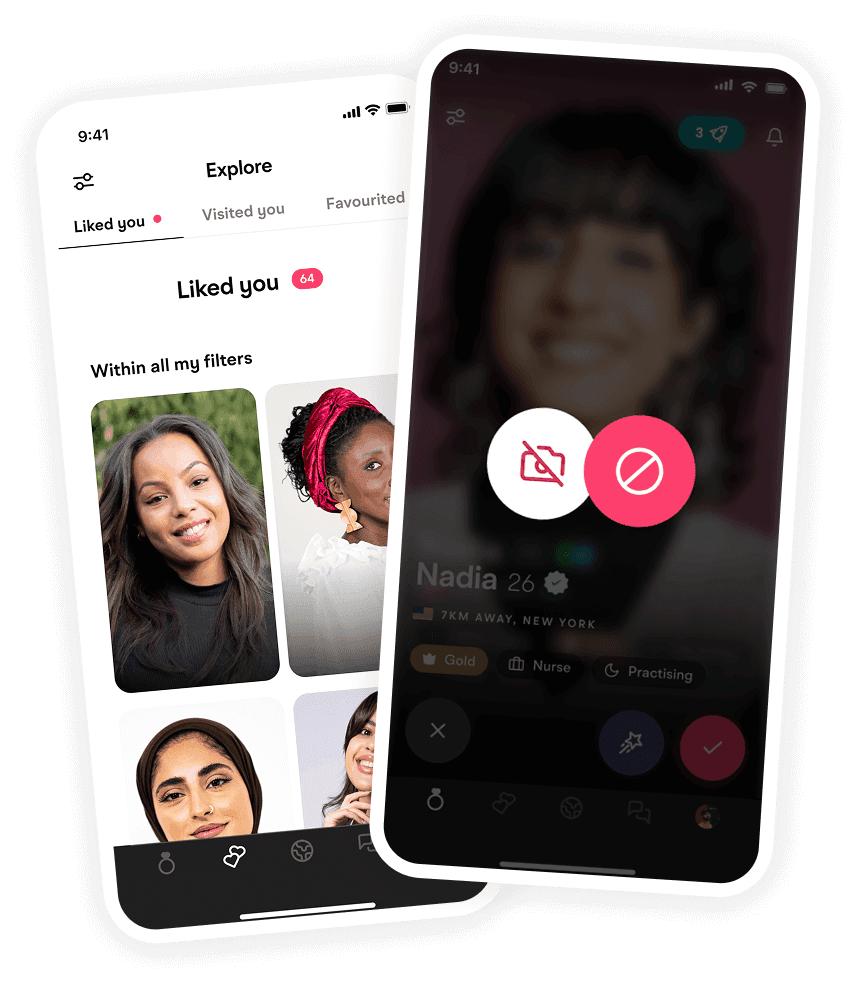
Muzz mockup image chat

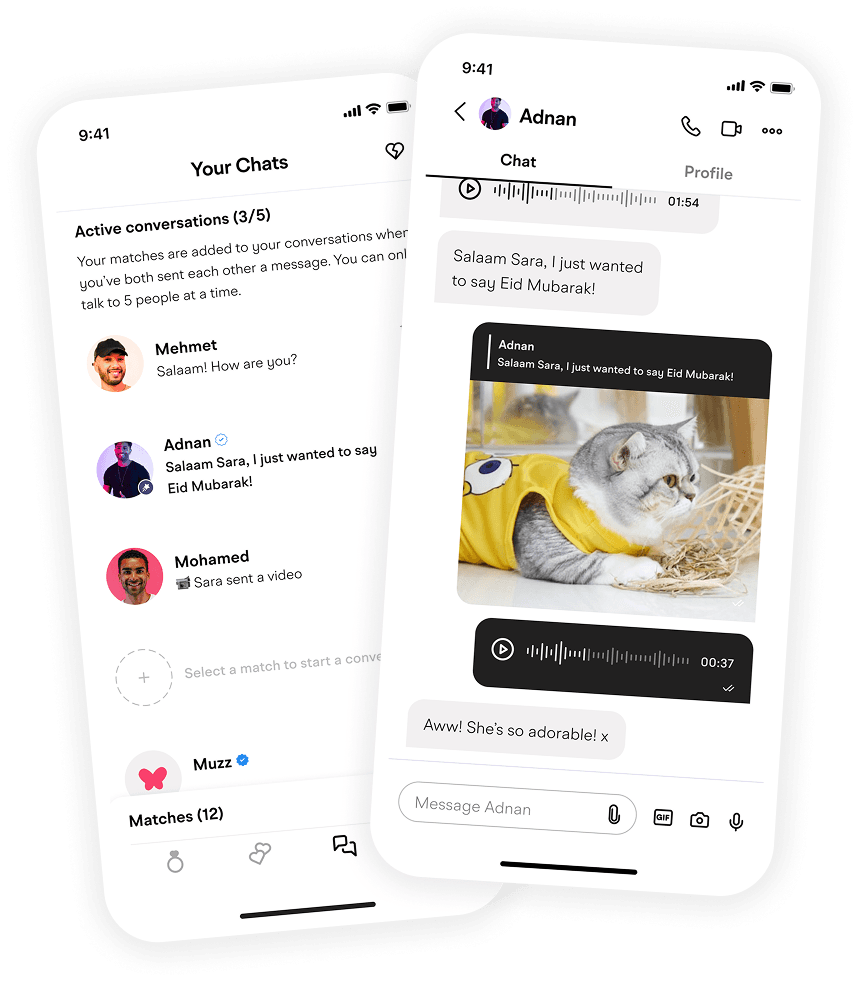
Chat for Free

It’s always FREE to see profiles, match, chat & marry on Muzz.

Muzz mockup image video_calling

Free Video Calling

You decide who you can call and you never have to share your phone number.

Muzz mockup image voice_intros

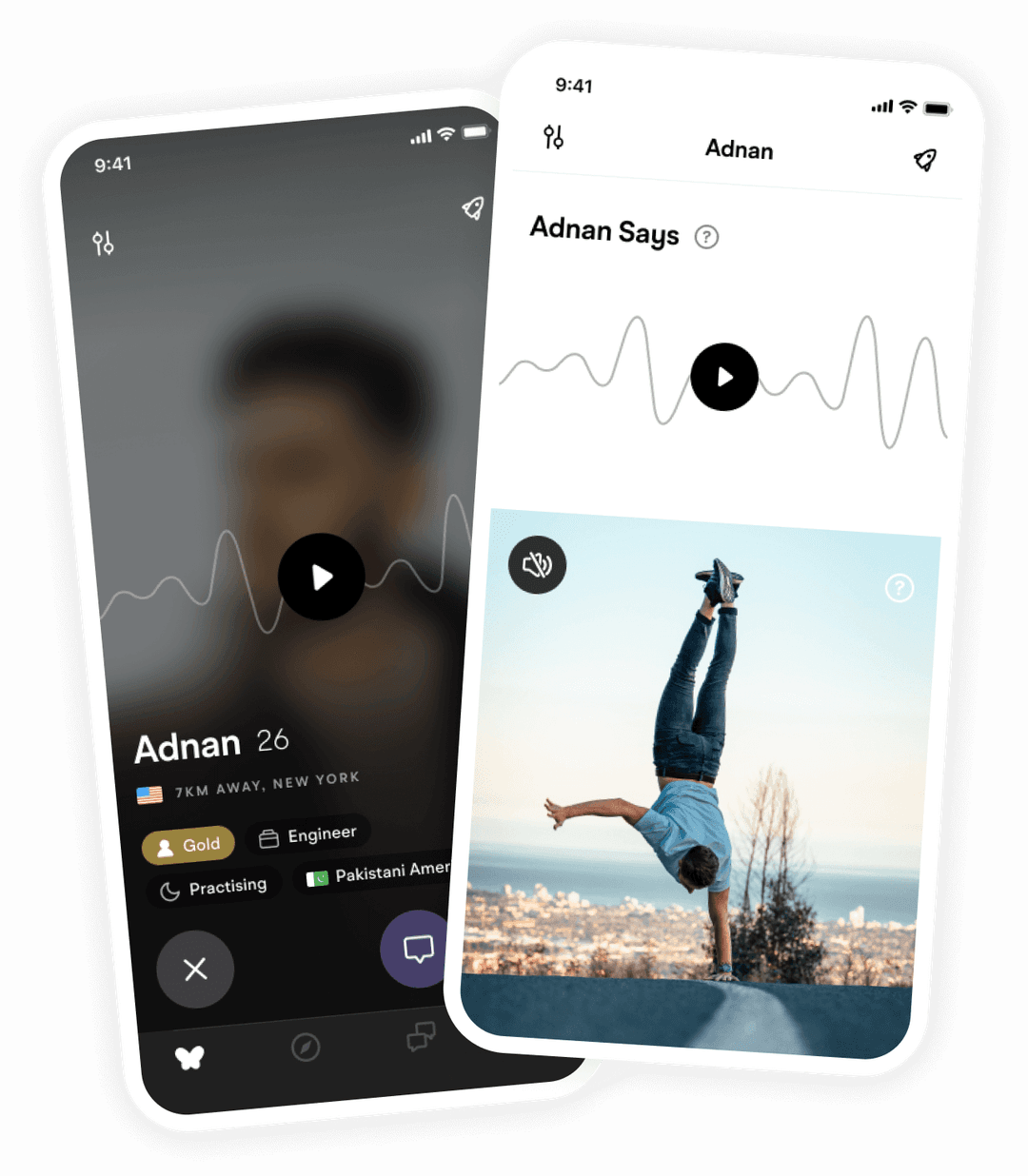
Voice and Video Profiles

Show off your personality and stand out from the crowd by adding Voice & Video intros to your profile.

Muzz mockup image complete_privacy

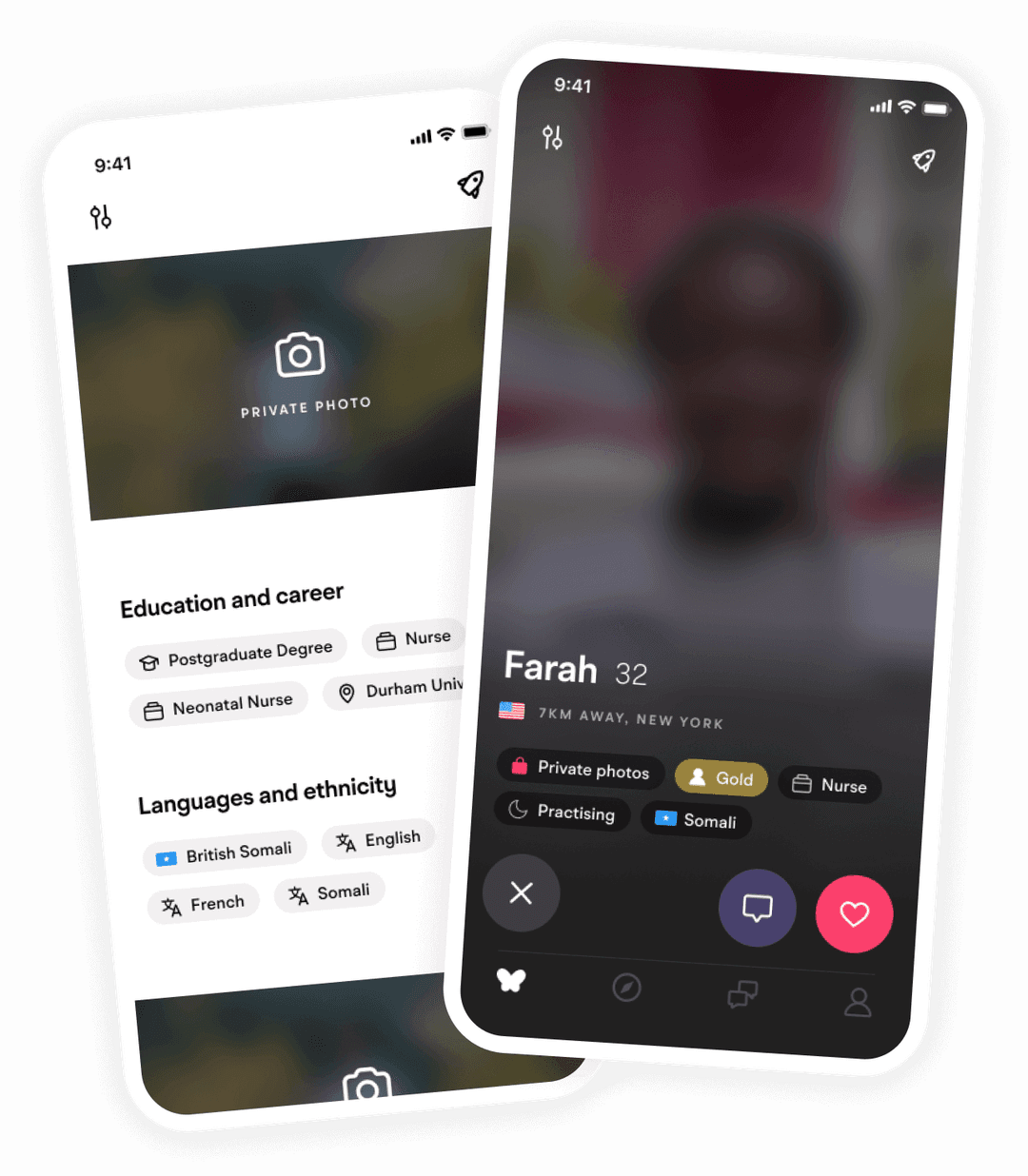
Complete Privacy

Keep your photos hidden and use a nickname to remain anonymous to friends and family.

Muzz mockup image screenshot

We block screenshotting!

We now stop people from taking screenshots of your photos. We want you to feel safe in Muzz and not worry about your photos getting into the wrong hands. This includes screen recording as well!

What our members say

Review Stars

Ideal and halal way to meet a potential spouse

Lulud Oktaviani

Lulud Oktaviani

Review Stars

It's a beautiful place to meet women in a halal manner

Bassy Bruno

Bassy Bruno

Review Stars

I'm falling in love with this app

Rabia Shahab

Rabia Shahab

Muzz mockup image selfie_verification

Selfie Verification

With all profiles being verified using Selfie Verification, SMS confirmation, and location checks, you’re safe.

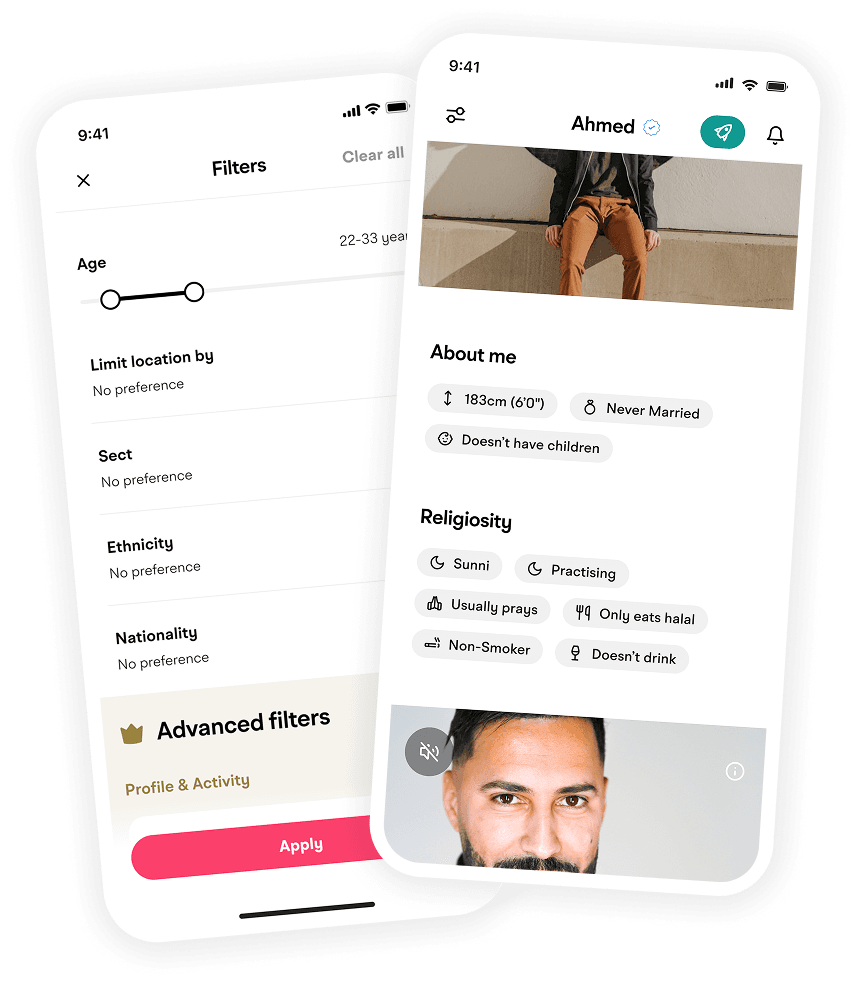
Muzz mockup image filters

Set your Search filters

With our powerful filters tool, you can tell us exactly the kind of person you're looking for. Set your preferences to get more quality matches and streamline your search for ‘the one’ - all for free!

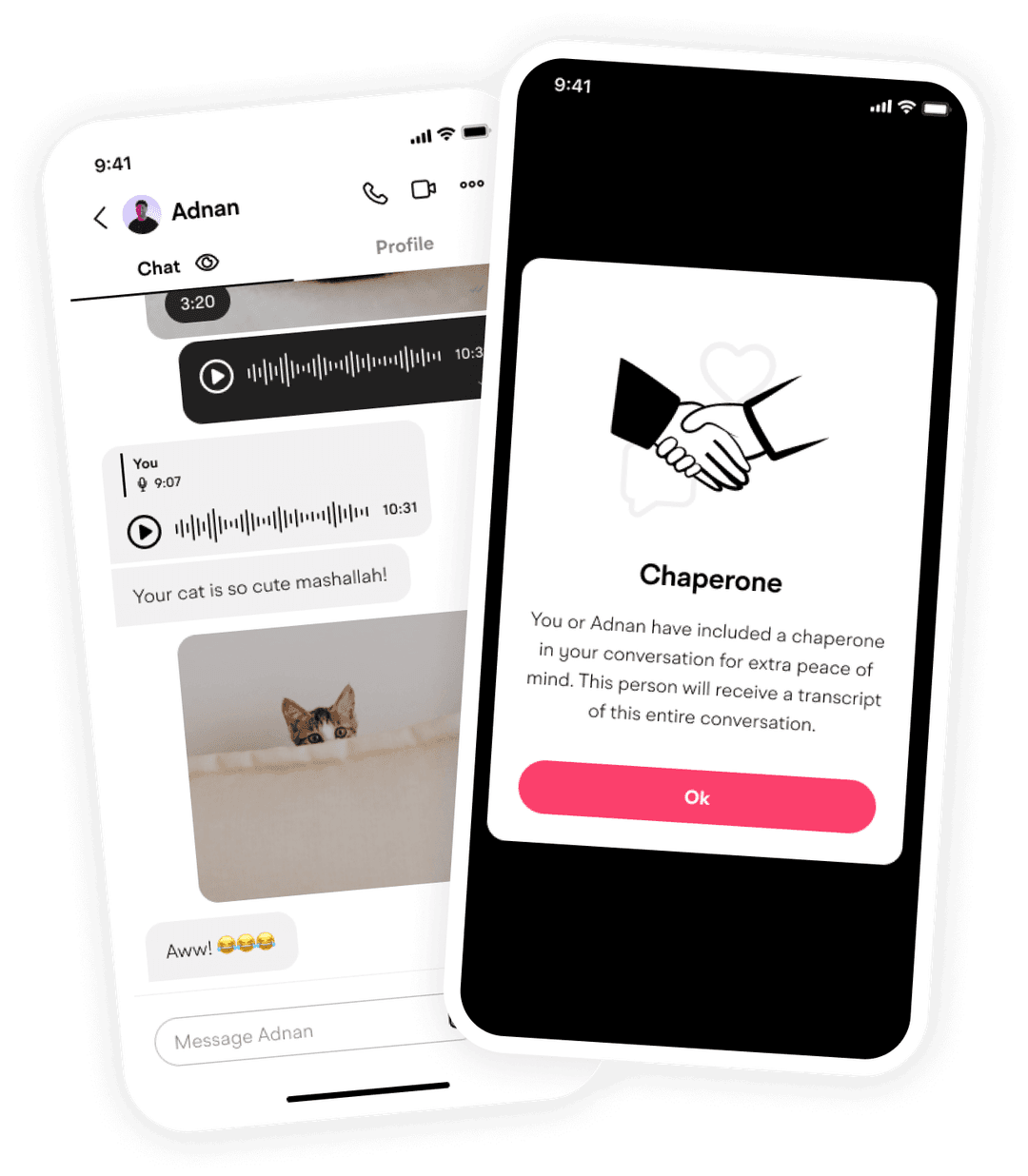
Muzz mockup image chaperones

Chaperones

You can even include a chaperone (known as a Wali) in your conversations for extra peace of mind.

Muzz mockup image gold

Muzz Gold

Get married faster with Muzz Gold - allowing you to more precisely tailor your search and browse without limits

Find Out More

We’ve been featured in

The Financial TimesGQThe BBCTechCrunchMensHealthThe New York TimesThe TimesTheThe Evening StandardCosmopolitanKonbiniLe Figaro

For press enquiries, email [email protected]

Latest Stories

Article thumbnail

What Should You Discuss Before Getting Married? A Muslim Couple’s Checklist

Before getting married, Muslim couples should agree on six things: children and parenting, money and provision, family and in-laws, roles at home, how they handle conflict, and where they see the next five to ten years.

You’ve discussed the wedding colours. You’ve discussed whether his cousin can be trusted with the guest list. You have not discussed how you’re raising your children.This is normal. It’s also how people end up three years in, mid-argument about whose mother is visiting for how long, realising this was always going to happen.

Children: do you want them, and how are you raising them?

Easy part first – do you both want kids, roughly how many.Harder part: how. Because whatever your parents did is what you’ll default to at 2am when the baby won’t sleep and nobody has the energy to be intentional. If one of you grew up with the slipper flying across the room when you misbehave and the other grew up with a family meeting, that’s going to come up.And deen isn’t automatic. Nobody absorbs it through the walls. Islam is taught, on purpose, by two people who agreed on how – or it’s taught inconsistently by two people who didn’t.You can both want three kids and still want completely different childhoods for them.

Worth asking Kids – yes/no, how many, when? How were each of us disciplined? Are we repeating it or actively not? Islamic school, public school, weekend madrasah, some combination? What does tarbiyah actually look like on a normal day? What if we can’t have children? Money: who provides, and what happens to the rest?

This is the one everyone skips because it feels haram to bring up before the nikah. It’s also the one the research is most brutal about.A study of 4,574 couples using data from the National Survey of Families and Households found financial disagreements were the strongest disagreement type predicting divorce. Sonya Britt, the Kansas State researcher who led it, didn’t hedge: money beats children, intimacy and in-laws as a predictor. For husbands and for wives.Here’s the part that should genuinely alarm you. They controlled for income, debt and net worth. Made no difference. You cannot out-earn this problem. Couples arguing about money early were at higher risk whether they had a lot of it or none.Newer data agrees. A 2021 study found finances were the biggest source of conflict in 40% of disagreements among people in long-term relationships. Fidelity’s 2024 Couples & Money study found a quarter of couples named money as their single biggest relationship challenge, and nearly half argue about it at least sometimes.Megan McCoy, a financial therapist and professor at Kansas State, explains why money fights hit differently: they run longer, resolve less, and leak into everything else. The actual issue is usually that two people have inherited opposite beliefs about what money is for. One of you grew up watching money mean safety. The other watched it mean generosity, or status, or freedom. Nobody told you this about yourselves. You just have it.Which is exactly why it’s a pre-nikah conversation.

Worth asking Who provides, and what does that mean in practice? Savers or spenders? What did money look like in each of our houses? Joint account, separate, both? How are we handling zakat and sadaqah? Is there debt the other person doesn’t know about? (Ask. Now.) What are we saving for – house, Hajj, business, school? Family and in-laws: where are you living, and what are the boundaries?

In our communities this question quietly decides how your first two years go.Where are you living – your own place, his family’s house, ten minutes from hers? Who’s expected at which gathering, and how often is “expected” actually “mandatory”? What happens when someone’s parents need care?Boundaries aren’t disrespectful. They’re the thing that lets you stay married and stay close to your families. The couples who struggle usually don’t have villains for in-laws. They just never agreed what the arrangement was, so every single occasion becomes a negotiation neither of them prepared for.Loving each other shouldn’t cost you your family. It also shouldn’t be the thing you give up to keep the peace.

Worth asking Where are we living year one? Does that change? How much time with each side, and who decides that? What if a parent needs to move in? What stays between us and doesn’t get relayed to family? If a parent objects to something we decided together — then what? Roles at home: who’s actually doing what?

Cooking, cleaning, bills, school runs, and the invisible job of being the person who remembers any of it needs doing.Most couples never have this conversation. They assume. Then the assumptions don’t match, and by the time anyone says anything out loud it’s not a conversation any more — it’s a list someone’s been keeping.Be specific. “We’ll share things fairly” is not a plan, it’s a vibe. Who’s cooking on a Wednesday when you both got in at seven? Who does the admin — the appointments, the forms, the calls nobody wants to make? What happens in a week when one of you is travelling or sick or drowning at work?Sort it now, before resentment sorts it for you.

Worth asking What did the split look like in each of our houses growing up? Are we both working? Does that change after kids? Who’s handling bills, admin, appointments? What does a regular weekday evening look like? What are we each quietly expecting that we haven’t said? Conflict: how do you argue, and how do you come back?

You’re going to argue. The question is what happens after.Some people need space. Some can’t sleep until it’s resolved. Some raise their voice and consider the matter closed within the hour while the other person is still thinking about it in July. None of these is wrong by itself. The mismatch is what does the damage.Ask outright whether you’d both go to counselling if it came to it. A lot of Muslim couples treat counselling as proof something’s already broken, which means it gets suggested at the exact point it’s least likely to work. Agreeing now that it’s on the table takes the shame out of it later.Arguments don’t end marriages. Ego does — specifically, both people waiting for the other one to apologise first.

Worth asking How did each of our families handle conflict? Do you need space when you’re upset, or resolution? Would you go to counselling if we needed it? Who do we talk to when it’s hard — and who do we not? What does an actual apology look like to you? The future: are you walking the same direction?

Five, ten years out. Career, deen, family, city, the thing you want that you haven’t told anyone.Is someone planning to move abroad? Go back to study? Start a business that eats the savings for three years? Does one of you picture a big loud house full of kids while the other pictures two and a lot of quiet? Is one of you staying near your parents forever while the other has been mentally packing since 2019?Ambition isn’t the problem. Undisclosed ambition is.Two people walking in different directions can’t build one home.

Worth asking Where do you want to be living in ten years? What do you want to have done by then? What would you need me to back, even when it’s inconvenient? What’s genuinely non-negotiable for you? What would make you feel this marriage went well? The short version

Here is a summary checklist of all the questions to ask referenced above:

Children Kids – yes/no, how many, when? How were each of us disciplined? Are we repeating it or actively not? Islamic school, public school, weekend madrasah, some combination? What does tarbiyah actually look like on a normal day? What if we can’t have children? Money Who provides, and what does that mean in practice? Savers or spenders? What did money look like in each of our houses? Joint account, separate, both? How are we handling zakat and sadaqah? Is there debt the other person doesn’t know about? (Ask. Now.) What are we saving for – house, Hajj, business, school? Family Where are we living year one? Does that change? How much time with each side, and who decides that? What if a parent needs to move in? What stays between us and doesn’t get relayed to family? If a parent objects to something we decided together — then what? Roles What did the split look like in each of our houses growing up? Are we both working? Does that change after kids? Who’s handling bills, admin, appointments? What does a regular weekday evening look like? What are we each quietly expecting that we haven’t said? Conflict How did each of our families handle conflict? Do you need space when you’re upset, or resolution? Would you go to counselling if we needed it? Who do we talk to when it’s hard — and who do we not? What does an actual apology look like to you? The future Where do you want to be living in ten years? What do you want to have done by then? What would you need me to back, even when it’s inconvenient? What’s genuinely non-negotiable for you? What would make you feel this marriage went well?

You don’t have to solve all six. You should mention all six sometime before marriage. The risk was never disagreeing. It’s getting to year three and realising the conversation never happened.

Frequently asked questions

What should you discuss before getting married in Islam?Six areas cover most of it: children and parenting approach, money and provision, family and in-law boundaries, division of work at home, how you handle conflict, and your five-to-ten-year plans. These are practical compatibility questions, alongside the character and deen questions couples usually cover first.What is the most important thing to agree on before marriage?Research points to money. A study of 4,574 couples found financial disagreements were the strongest predictor of divorce — stronger than disagreements about children, intimacy or in-laws — and the finding held regardless of the couple’s income, debt or net worth.How many questions should you ask before nikah?There’s no set number, and quality matters more than volume. Cover the six areas above rather than working through a long list. One honest conversation about money or in-laws is worth more than fifty surface-level questions.Is premarital counselling encouraged for Muslim couples?Many imams and Muslim counsellors offer premarital sessions, and plenty of couples find them useful for surfacing exactly these conversations. Whether you pursue it is personal — but agreeing in advance that counselling is acceptable makes it far more likely to help if you ever need it.What are red flags to look for before marriage?Refusing to discuss money, deflecting questions about family expectations, treating your ambitions as negotiable while treating theirs as fixed, or shutting down conversations by insisting it’ll work itself out. Avoidance during the talking stage rarely improves after the nikah.How do I bring up difficult topics before marriage?Ask about their family rather than about them. “How did your parents handle money?” is easier to answer than “are you a spender?” — and usually more revealing. Involving a wali or a trusted elder can also make the harder conversations more comfortable.

The takeaway

Nobody’s ever regretted having these conversations. Plenty of people regret assuming. Still looking to have these conversations with someone? Start with Muzz and get serious about marriage.

Article thumbnail

Navigating Cultural Expectations vs. Islamic Teachings

Whilst Islam provides clear guidance on the values that should shape and impact a marriage, cultural expectations and traditions can often influence how we approach finding a spouse, planning a wedding, where we live, and even the timeline for building a family.

Culture is beautiful. It is something we should honour and celebrate because it connects us to our heritage and identity. But when cultural traditions begin to overshadow Islamic principles, the lines become blurred, and culture can become a barrier to marriage. That is when we need to start asking ourselves:

How can we honour our culture while still staying true to our faith?

Islam comes first. Simple as.

Islam places character, deen, and compatibility at the centre of choosing a spouse. Yet culture and community have become barriers for things that simply do not matter, such as:

Expecting someone to marry only within a particular ethnicity or nationality. Placing excessive importance on extravagant weddings. Rejecting potential spouses based on family status rather than compatibility. Allowing community opinions to influence deeply personal decisions.

The burden can often feel increasingly immense, especially when ultimatums are handed out on a silver platter. It can leave people feeling like they have to choose between pleasing their family and following what Islam actually teaches.

Culture and Islam do not need to compete. Many cultural traditions, such as family gatherings, traditional clothing, and wedding celebrations, can enrich the marriage experience. The key is making sure culture complements Islam instead of replacing it.

A helpful question to always come back to is:

Is this expectation rooted in Islam, or is it simply a cultural preference?

If your parents say no, try to understand the reasons behind their decision. Have open and respectful conversations, listen to their concerns, and explain why you believe the person would make a good spouse. Sometimes these discussions require patience and time rather than confrontation.

At the same time, parents should also reflect on whether their concerns are based on genuine Islamic values or cultural expectations. By keeping communication open and placing deen and character above status or social expectations, families can make decisions that lead to stronger and more blessed marriages.

Article thumbnail

Muslims Don’t Date, We Marry: What That Really Means

“Muslims don’t date, we marry.” It’s a phrase you’ve probably heard a dozen times when referencing Muslims finding a spouse, but it’s often misunderstood. The reality isn’t that Muslims skip getting to know someone; rather, many choose to do so with a clear intention from the start: finding a compatible life partner through marriage. For Muslims in the UAE and around the world, this approach helps people build meaningful connections while keeping marriage as the shared goal.

That intention changes everything. Instead of casual, undefined dating, the focus is on finding someone you can build a future with. You’re not just “seeing where it goes”; you’re getting to know someone to understand whether you’re aligned in your values, goals, and expectations. This is often what people mean by “halal dating”: getting to know someone in a way that is intentional, respectful, and with a clear purpose in mind.

Conversations usually happen in comfortable, public settings, with clear boundaries. Family may be involved early, never to pressure, but to signal seriousness. It removes ambiguity and makes intentions clear from the start. Instead of vague questions like “what are we?”, people ask what actually matters: where do you see yourself in five years, how many kids do you want, what does modesty mean to you? These aren’t intense, but they’re important conversations when considering someone as a potential life partner.

This approach also cuts out something many people are tired of: wasted time. There’s no need for months of confusion or emotional limbo. If you’re aligned, you move forward. If you’re not, you move on.

So when people say “Muslims don’t date, we marry,” what they really mean is this: they get to know someone with intention, honesty, and clarity because the goal is to find a meaningful, lasting relationship.

Muslim Marriage App
All about dating as a Single Muslim
Single Muslim App
Muslim Matrimony
Islamic Dating
Shia Muslim
Sunni Muslim
Muslim Dating
Arab Love
Arab Chat
Muslim dating app
Arab Dating